
Ground Ready for What Comes Next
Site Preparation in North Scituate for properties starting construction or development projects
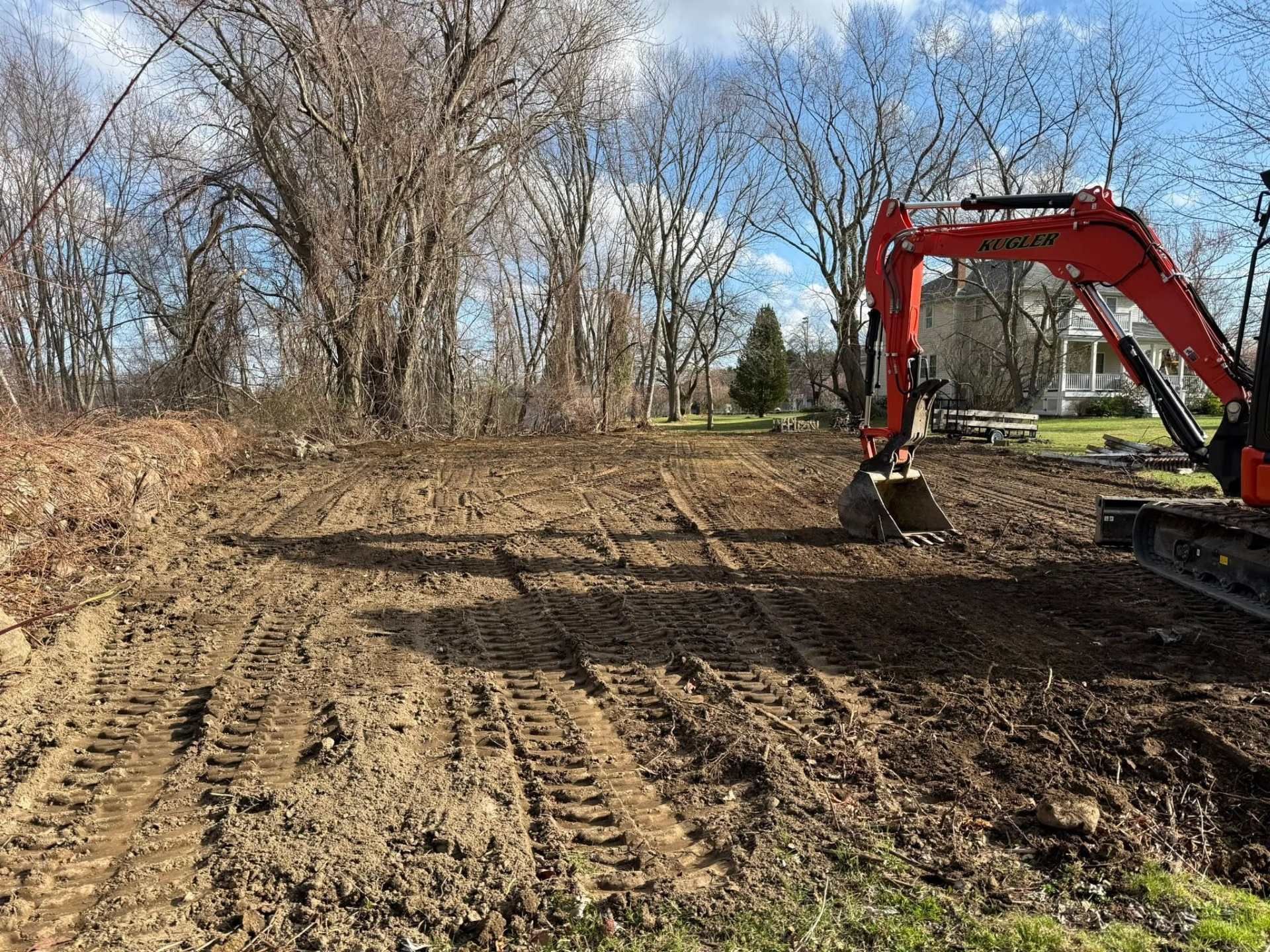
Kugler Dirtworks prepares residential and commercial sites for construction, foundations, and development across North Scituate and surrounding Rhode Island communities. Before any building begins, the ground beneath it must meet compaction standards, drainage requirements, and elevation specifications that prevent future settlement or water intrusion. This work addresses properties with variable soil conditions, debris from previous use, or slopes that require regrading before construction equipment arrives.
Site preparation begins with heavy equipment assessment of existing conditions, followed by soil evaluation to determine load-bearing capacity and drainage characteristics. Debris removal clears vegetation, stumps, old foundations, or buried material that would interfere with construction. The site is then graded to specifications provided by engineers or builders, and compaction verification confirms the base will support the intended structure. Rhode Island soil conditions and freeze-thaw cycles require proper base compaction and drainage planning before winter, when frost heave can shift poorly prepared ground and compromise foundations.
Schedule a site evaluation to determine soil conditions and grading requirements for your project.
What Proper Site Preparation Requires
The work involves clearing the footprint to expose native soil, removing organic material that decomposes and settles over time, and bringing in engineered fill when needed to reach final grade. Equipment operators assess drainage flow across the site and establish slopes that direct water away from foundation areas. Compaction happens in lifts, with each layer verified before the next is placed, ensuring the base will not settle unevenly once construction loads are applied.
After completion, your site has a stable, graded surface that meets engineering specifications for the intended structure. Water moves predictably off the pad rather than pooling in low spots. The ground no longer shifts under equipment weight, and fill material stays in place through seasonal temperature changes. Builders can set forms and pour footings without concerns about subsurface voids or inconsistent bearing capacity.
Proper preparation also includes verifying that drainage lines, utility trenches, and access routes are accounted for in the grading plan. Sites prepared without attention to these details often require costly rework once construction begins and conflicts emerge. Year-round project experience in Rhode Island means understanding how spring thaw affects site access and how winter conditions limit the window for certain phases of preparation work.
What Property Owners Usually Ask
Property owners preparing for construction often have questions about timing, soil conditions, and what the process involves before building begins.
What happens during the initial site assessment?
The operator walks the site to identify existing drainage patterns, note soil type and vegetation density, and locate buried debris or ledge that may require additional equipment. This evaluation determines the scope of clearing, grading, and compaction work needed before construction can begin.
How does Rhode Island soil affect site preparation?
Variable soil conditions across North Scituate and Providence-area communities mean some sites have sandy, free-draining material while others have clay that holds water and requires more aggressive drainage planning. Freeze-thaw cycles cause poorly compacted fill to heave and settle, so base preparation must account for seasonal ground movement.
What gets removed during debris clearing?
Vegetation, stumps, old foundations, buried lumber, and root systems are removed to prevent decomposition voids under the new structure. Any organic material left in place will break down over time and create settlement pockets that compromise foundation integrity.
How is compaction verified?
Each lift of fill material is compacted with heavy equipment, and operators check for movement under load. Properly compacted ground does not shift or rut when equipment crosses it, and surface water does not pool in depressions that indicate uneven settlement.
When should site preparation happen relative to construction?
Preparation should finish just before construction begins, allowing the base to settle briefly but not long enough for vegetation to reestablish or erosion to alter grading. Seasonal timing matters in Rhode Island—sites prepared in late fall may need regrading in spring if freeze-thaw cycles shift material.
Kugler Dirtworks brings three generations of excavation expertise and equipment operation experience to every site, ensuring ground conditions meet the standards your project requires. Request a project consultation to review your site's soil conditions and grading specifications.